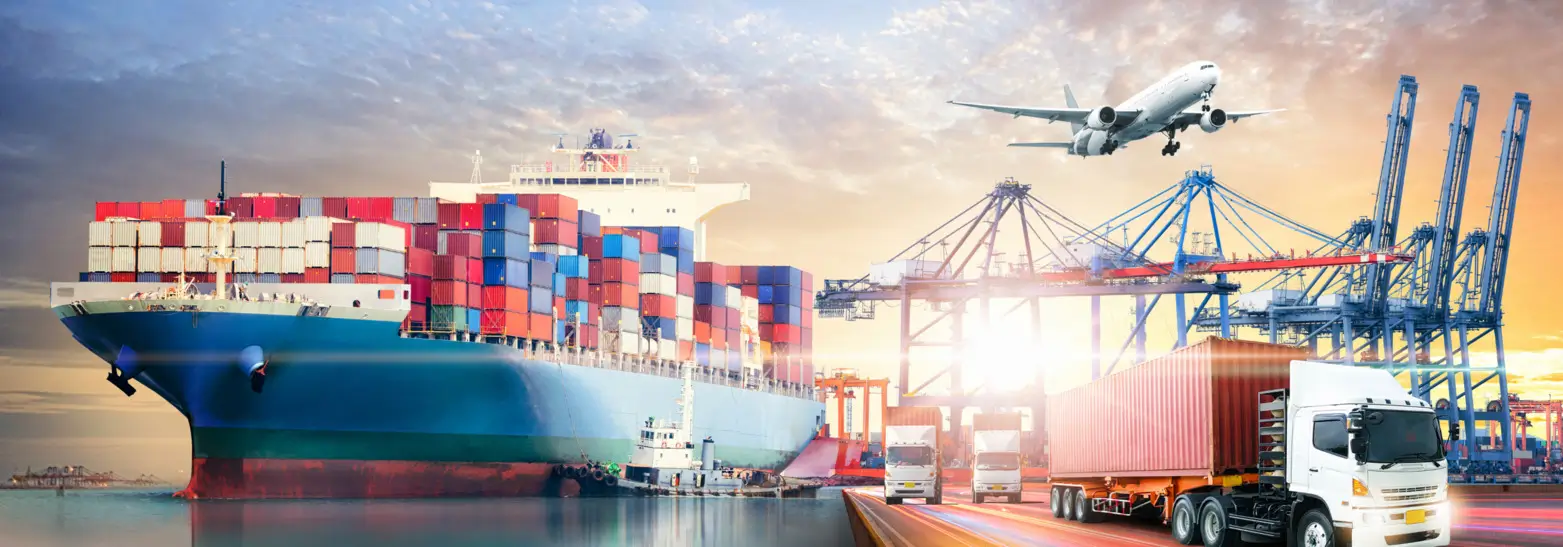
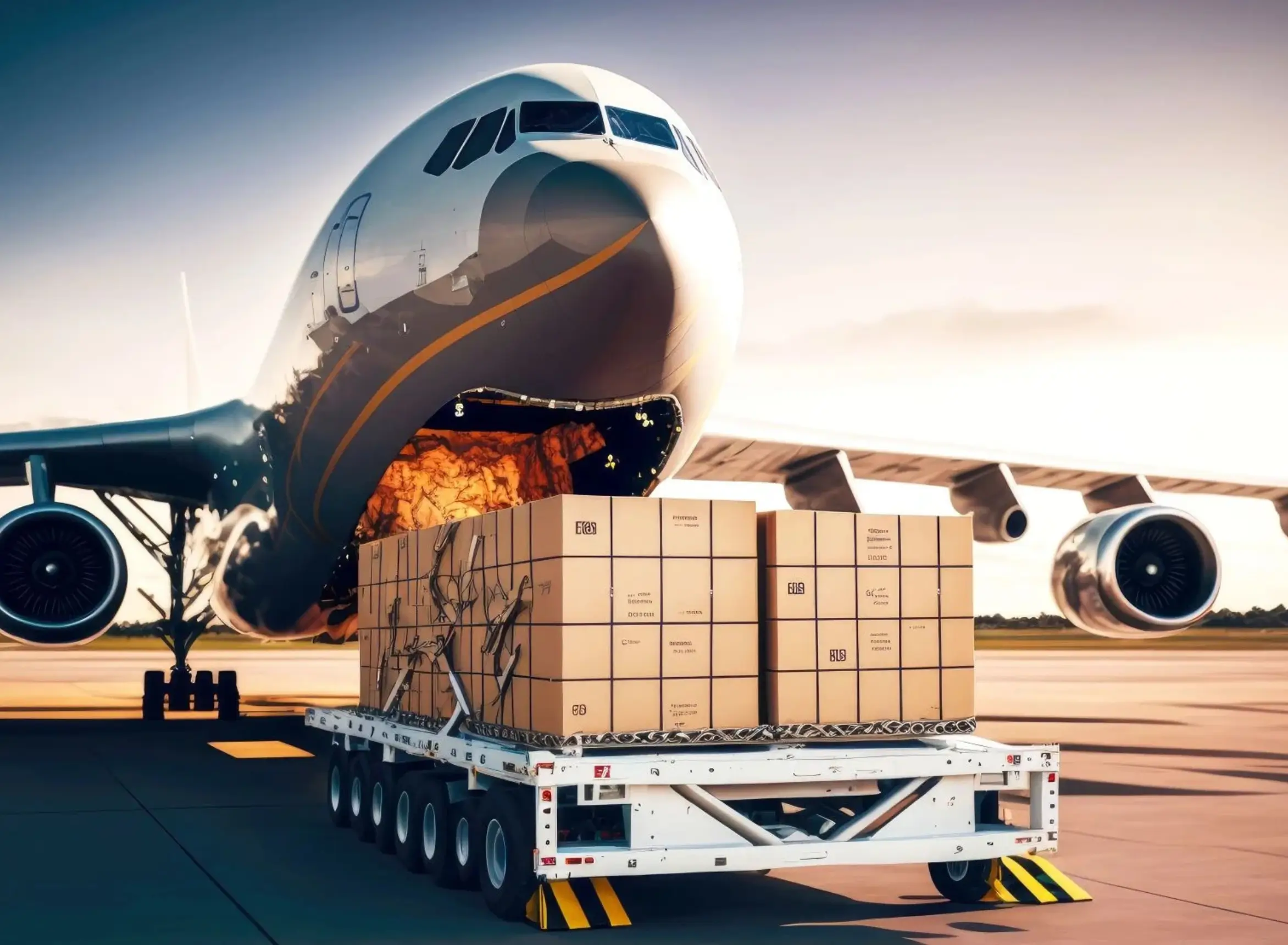
Speed: Air freight is known for its rapid transportation capabilities. It is significantly faster compared to sea freight. Airplanes can cover long distances in a relatively short time, allowing for quick delivery of goods. This speed is particularly advantageous for time-sensitive shipments, such as perishable goods or urgent deliveries.
Accessibility: Air freight offers excellent accessibility, with the ability to reach almost any destination worldwide. Airports are well-connected globally, providing extensive networks and frequent flights. This accessibility makes air freight a preferred choice for businesses that require international shipping or need to reach remote or landlocked areas quickly.
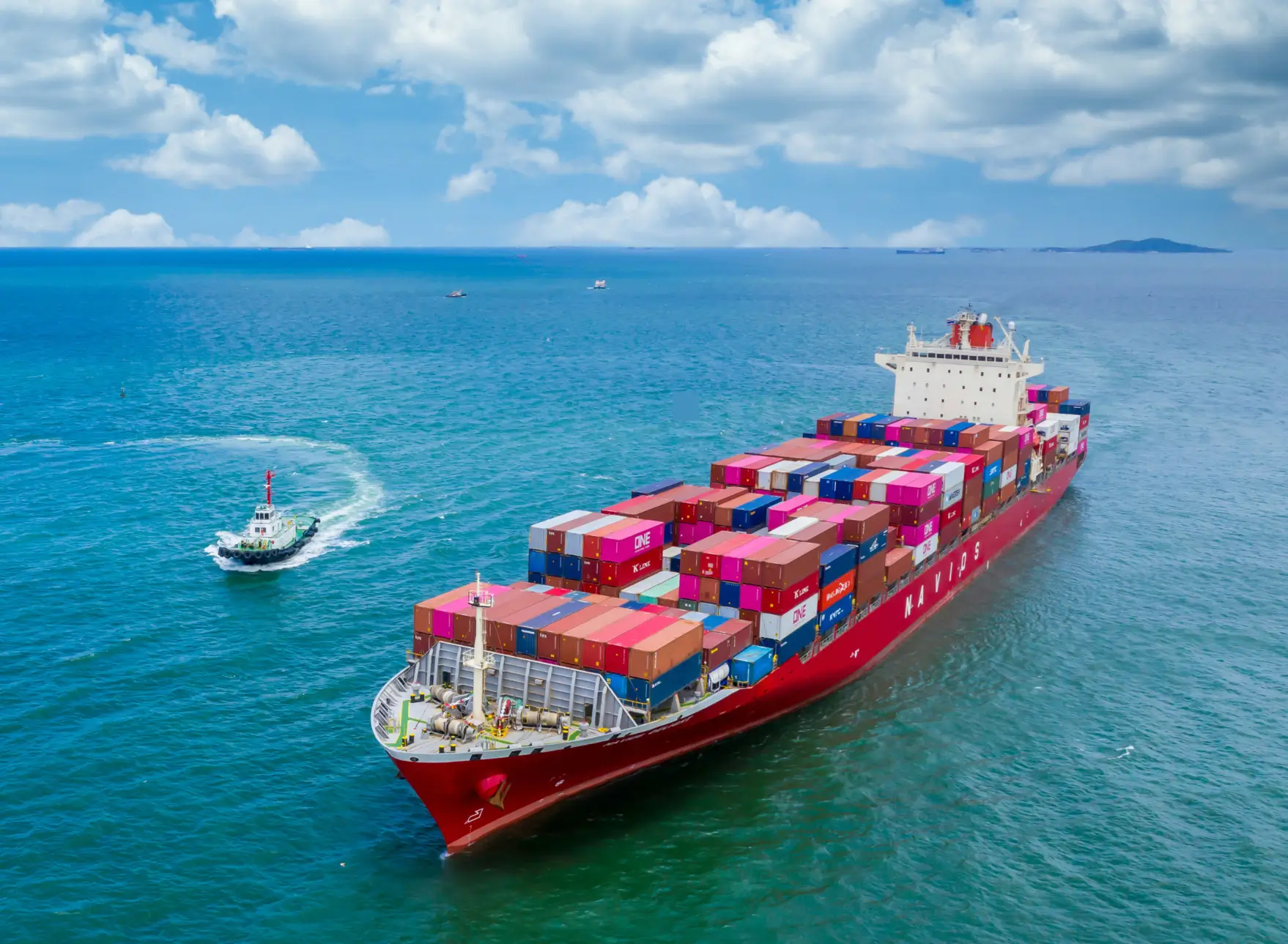
Cost-Effectiveness: Sea freight is generally more cost-effective compared to air freight, especially for large and heavy shipments. Shipping goods via sea can accommodate larger volumes, making it an economical option for businesses that deal with bulk shipments or have less time-sensitive cargo. The cost per unit of weight or volume is usually lower in sea freight compared to air freight.
Versatility: Sea freight offers versatility in handling various types of cargo. It can accommodate diverse goods, including oversized items, vehicles, machinery, and bulk commodities. Furthermore, containers used in sea freight provide secure and standardized packaging, ensuring the safety of goods during transit. This versatility makes sea freight suitable for a wide range of industries, including manufacturing, construction, and retail.